
 Save to Pinterest
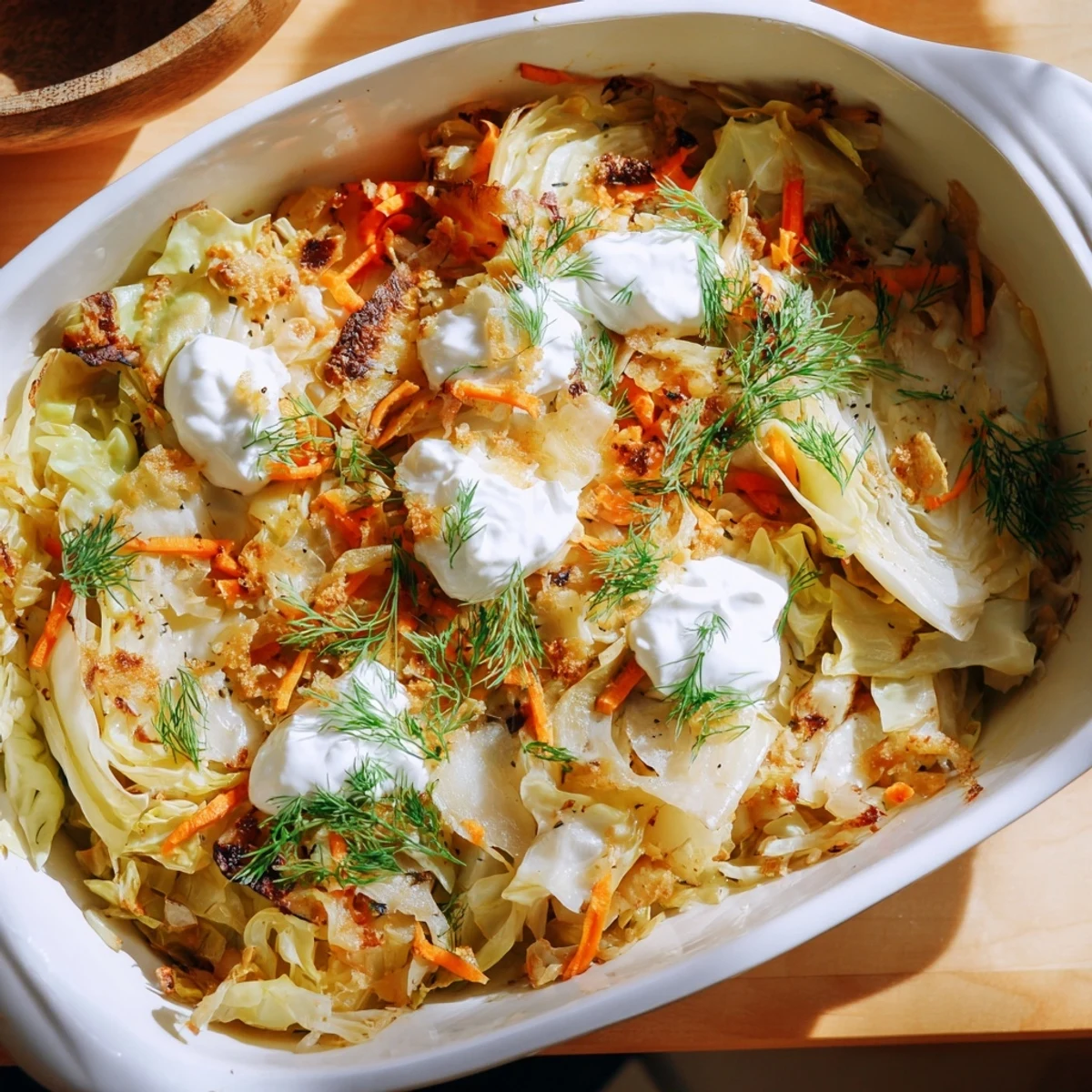
 This hearty German-inspired casserole combines layers of tender slow-roasted cabbage and tangy sauerkraut, infused with aromatic caraway seeds and smoked paprika. The vegetables are slowly baked for over two hours, allowing flavors to meld beautifully while developing rich, caramelized edges. Fresh apples add subtle sweetness that balances the sauerkraut's tang, while a final broil creates irresistible golden-brown topping.
Perfect for meal prep and even better the next day, this dish serves six generously and pairs wonderfully with crusty bread or boiled potatoes. The optional sour cream and cheese topping adds creamy richness, though it's equally delicious vegan. With minimal prep time and mostly hands-off cooking, you'll have a nourishing, satisfying meal that feels like a warm hug on cold days.
The smell of cabbage roasting low and slow in the oven is one of those things that fills every corner of the house and makes everyone wander into the kitchen asking when dinner will be ready. My neighbor Helga, who grew up near Stuttgart, once told me that a proper cabbage casserole should taste like patience, and I have never forgotten that. This recipe layers sweet roasted cabbage with punchy sauerkraut and lets time do most of the work.
I made this for a rainy Tuesday potluck where three people showed up, and we still managed to finish the entire dish standing around the kitchen island with forks.
Ingredients
- 1 medium green cabbage (about 2 lb): Core it and slice into thin strips, because uniform pieces roast evenly and look beautiful in the finished casserole.
- 2 medium onions: Thinly sliced, they melt into sweetness during the long roast and form a natural base of flavor.
- 2 cloves garlic: Minced fine so the flavor distributes throughout without catching anyone off guard with a raw bite.
- 2 large carrots: Grated on the large holes of a box grater, they add color and a subtle sweetness that balances the sauerkraut.
- 3 cups sauerkraut: Drained and lightly rinsed to tame the sharpest acidity while keeping that wonderful fermented character.
- 1 apple: Peeled and grated, it is a quiet secret ingredient that softens the sour edge and adds moisture.
- 1 cup vegetable broth: Keeps everything lush during the covered roasting phase.
- 1/4 cup dry white wine: Optional but it deglazes the pan beautifully and adds a subtle fruity undertone.
- 2 tbsp olive oil: Good quality oil makes a real difference here since the dish is so simple.
- 1 tsp caraway seeds: The soul of this dish, caraway bridges the cabbage and sauerkraut with its warm, earthy flavor.
- 1 tsp smoked paprika: Adds a gentle smokiness that makes the casserole taste like it was cooked over a fire.
- 1/2 tsp ground black pepper and 1/2 tsp salt: Adjust to taste at the end because sauerkraut brings its own salt.
- 2 tbsp fresh dill: Chopped and stirred into the sauerkraut layer, plus extra for garnish because it looks and tastes wonderful.
- 1/2 cup sour cream and 1/4 cup grated cheese: Both optional, but the creamy tang on top turns this from a side dish into a main event.
Instructions
- Get the oven ready:
- Preheat to 325 degrees F and grease a large casserole dish with a little olive oil so nothing sticks later.
- Build the flavor base:
- Warm olive oil in a large skillet over medium heat and sauté the sliced onions until they turn translucent and sweet, about five minutes, then stir in the minced garlic for one more minute until fragrant.
- Wilt the cabbage:
- Add the shredded cabbage to the skillet and cook it, stirring every so often, until it softens and shrinks down, roughly five to seven minutes, then mix in the grated carrots, salt, pepper, caraway seeds, and smoked paprika until everything is coated.
- Prepare the sauerkraut layer:
- In a separate bowl, toss the drained sauerkraut with the grated apple and chopped dill so the flavors begin to mingle.
- Layer it all together:
- Spread half the cabbage mixture across the bottom of your casserole dish, top it with half the sauerkraut mixture, then repeat with the remaining halves to create two distinct layers.
- Add the liquid:
- Pour the vegetable broth and white wine evenly over the top, letting it seep down through the layers naturally.
- Slow roast covered:
- Cover the dish tightly with foil or a lid and slide it into the oven for one hour of gentle, covered roasting that softens everything into tenderness.
- Uncover and brown:
- Remove the foil, turn the oven up to 375 degrees F, and bake uncovered for another thirty to forty five minutes until the top turns golden and most of the liquid has cooked away.
- Add the finishing touch:
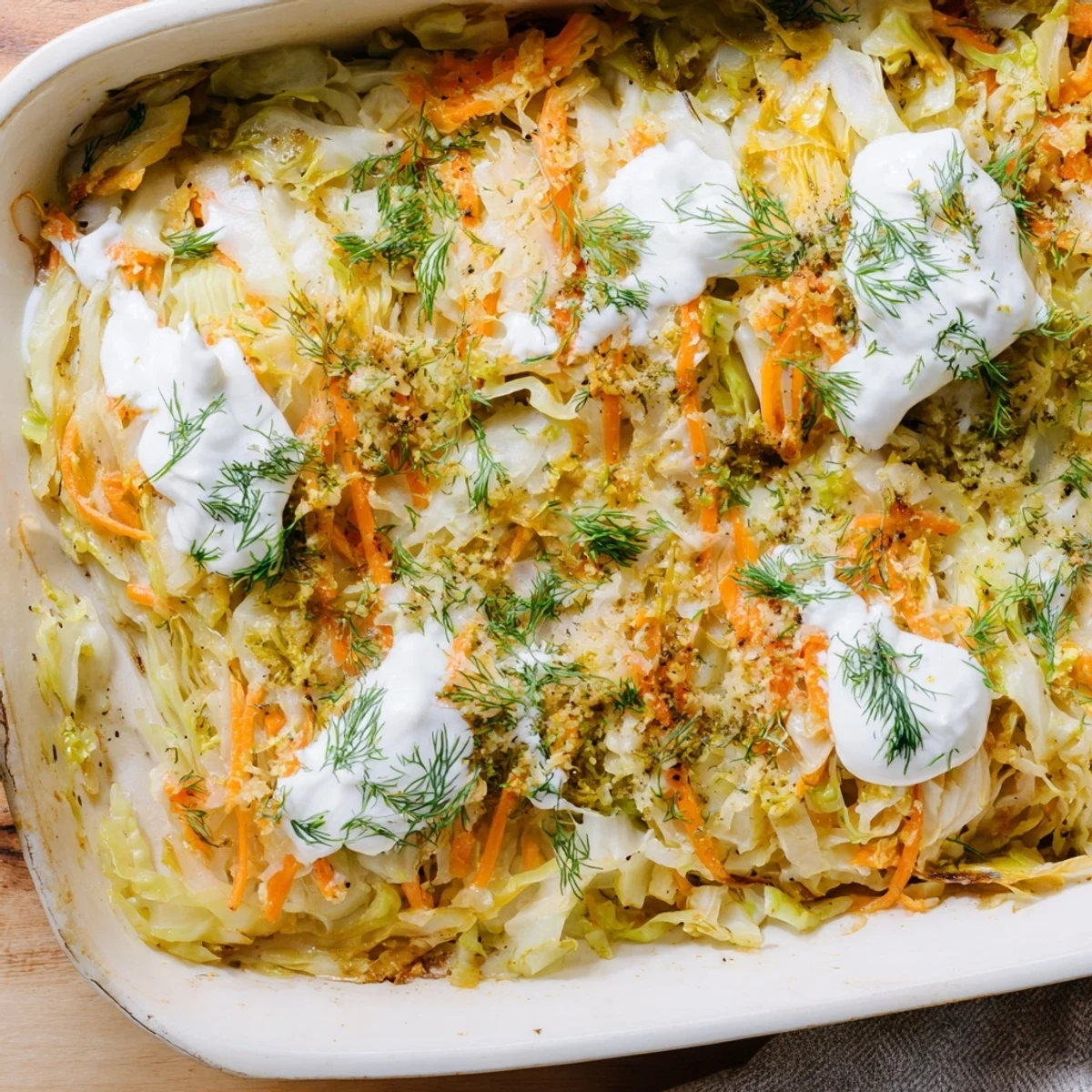
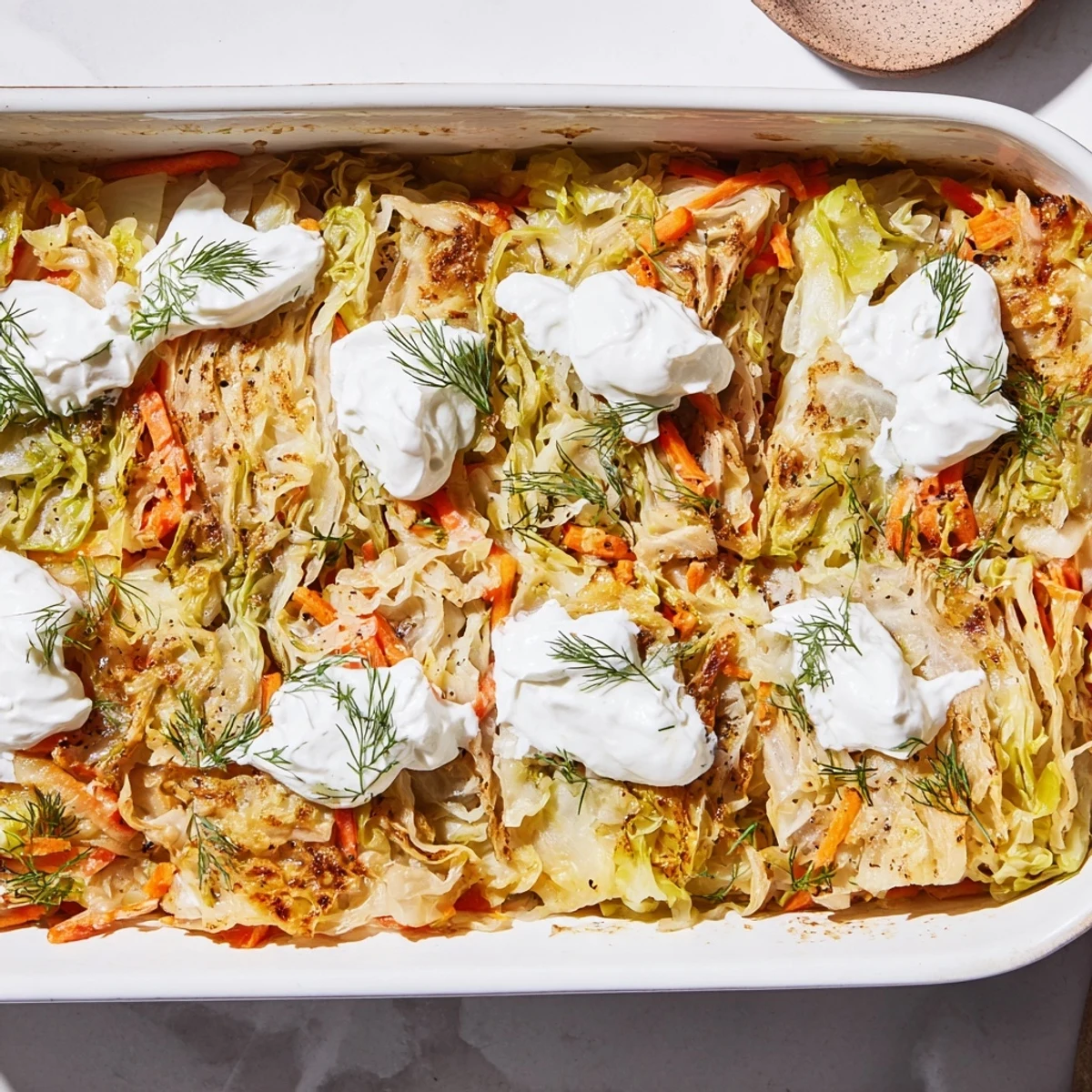
- If you are using sour cream and cheese, spread them over the top during the last ten minutes of baking so they melt into a creamy, bubbly crown.
- Rest and serve:
- Let the casserole sit for ten minutes before serving so the layers settle, then scatter fresh dill over the top and bring it to the table.
 Save to Pinterest
 There is something about pulling a bubbling casserole from the oven on a gray afternoon that makes the whole house feel like it has a heartbeat.
Making It Your Own
Toss in a handful of sautéed mushrooms or some cooked brown lentils between the layers if you want to make it more filling without much extra effort.
What to Serve Alongside
Crusty bread is the obvious choice, but boiled potatoes dusted with extra dill are even better for soaking up the juices.
Storage and Reheating
This casserole keeps beautifully in the fridge for up to four days and the flavors actually deepen overnight, which makes it perfect for planning ahead.
- Reheat individual portions in the microwave with a splash of broth to keep everything moist.
- Freeze individual portions in airtight containers for up to two months for easy weeknight meals.
- Always taste for salt before serving because the sauerkraut can shift in intensity after freezing.
 Save to Pinterest
 Cabbage has never been glamorous, but baked this slowly with sauerkraut and caraway, it becomes something you will crave long after the last bite is gone.
Recipe FAQs
- → How long can I store leftover cabbage casserole?
-
Leftovers keep well in the refrigerator for 4-5 days when stored in an airtight container. The flavors continue to develop, making it even more delicious reheated. You can also freeze individual portions for up to 3 months—thaw overnight in the refrigerator before warming in a 350°F oven until heated through.
- → Can I make this casserole ahead of time?
-
Absolutely! Assemble the entire casserole up to 24 hours before baking, cover tightly, and refrigerate. You may need to add 5-10 minutes to the initial covered baking time since it will be cold. This makes it perfect for dinner parties or busy weeknights when you want minimal last-minute preparation.
- → What can I substitute for sauerkraut?
-
If you're not a fan of sauerkraut, try using coleslaw mix (shredded cabbage and carrots) that's been lightly salted and drained for 30 minutes. Alternatively, thinly sliced red cabbage adds beautiful color and a slightly sweeter flavor profile. For fermented alternatives, kimchi works wonderfully if you enjoy some heat.
- → How do I prevent the casserole from being too sour?
-
Rinsing the sauerkraut lightly before using helps reduce its tanginess. The grated apple naturally balances acidity with sweetness. If you're sensitive to sour flavors, you can also increase the salt slightly or add a tablespoon of maple sugar or brown sugar when layering. Taste the sauerkraut mixture before assembling and adjust to your preference.
- → Can I add protein to make it more substantial?
-
Yes! Browned sausage (bratwurst or kielbasa) works beautifully sliced between layers. For vegetarian options, add cooked lentils, white beans, or sautéed mushrooms. Crumbled firm tofu or tempeh seasoned with the same spices also adds protein while maintaining the vegetarian profile. Adjust cooking time only if adding raw meat that needs to cook through.
- → Why does this require such a long cooking time?
-
The extended slow roasting time is essential for transforming raw cabbage's crunch into melting tenderness while allowing the sauerkraut's fermented flavors to mellow and integrate. This slow cooking method also encourages natural caramelization, developing deep, savory notes that quick cooking can't achieve. The covered phase steams the vegetables, while the uncovered portion creates those coveted golden-brown, slightly crispy edges.