
 Save to Pinterest
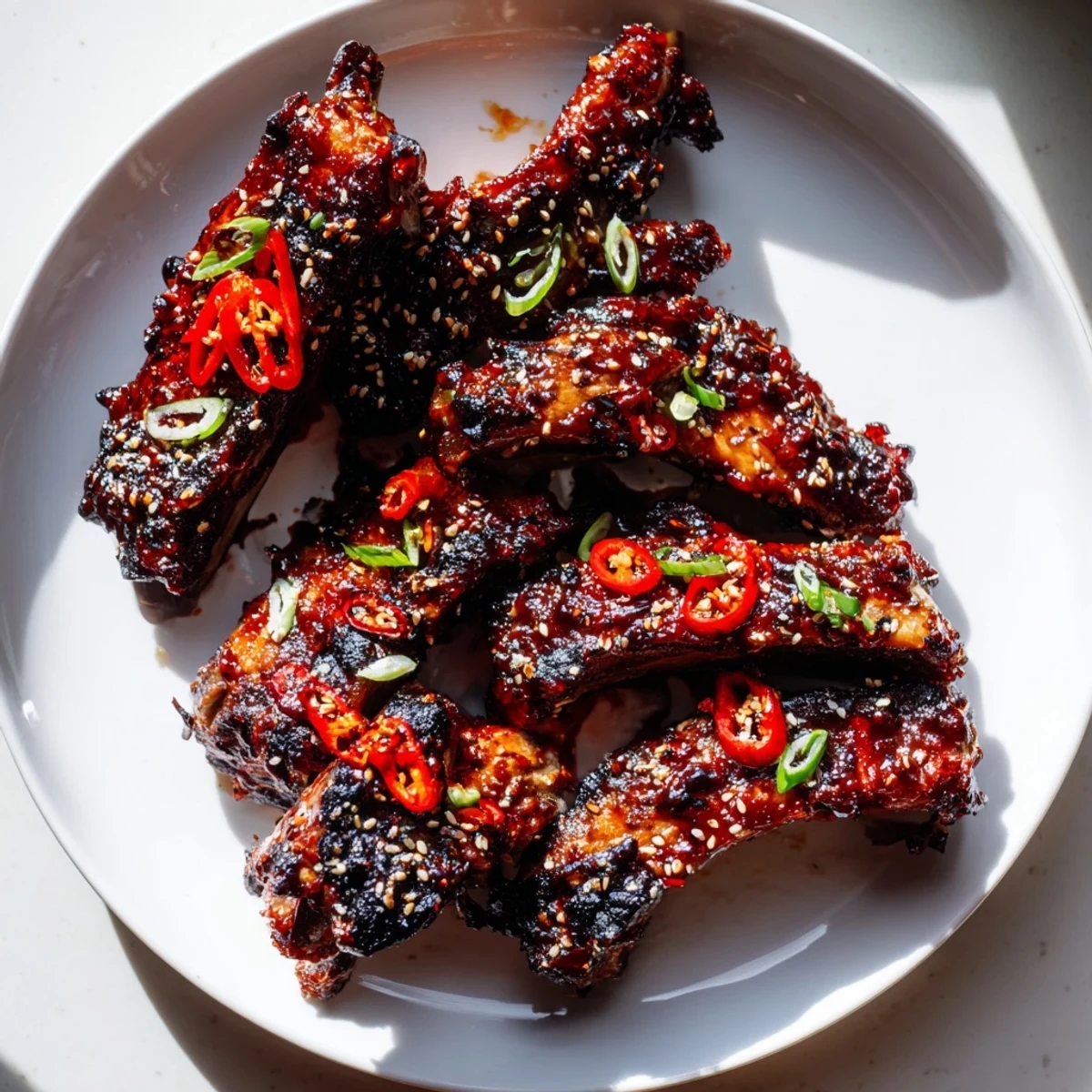
 These Korean BBQ lamb ribs bring together the deep, savory heat of gochujang with the warming sweetness of brown sugar and sesame oil. Marinated overnight for maximum flavor penetration, the ribs roast low and slow until fall-off-the-bone tender.
A quick honey glaze brushed on during the final minutes of cooking creates irresistible caramelization and char. The unexpected yuzu squeeze at the end cuts through the richness with its fragrant, floral citrus notes.
Serve with steamed rice and pickled vegetables for a complete meal that bridges Korean tradition with modern fusion flair.
The sizzle of lamb ribs hitting a hot pan on a rainy Tuesday evening taught me more about Korean fusion cooking than any cookbook ever could. I had stumbled across a tub of gochujang at the local market that afternoon and decided on a whim that lamb ribs deserved a bold new personality. The kitchen filled with this incredible sweet heat that made my neighbor knock on the door asking what I was making.
I served these ribs at a backyard gathering last summer when my friend Jiyeon brought over a bottle of yuzu she had imported from her mothers orchard in Jeju. That single squeeze of citrus over the caramelized glaze made everyone at the table go quiet for a full minute. We now call it the silence test in my house.
Ingredients
- Lamb ribs (1.5 kg trimmed): Ask your butcher for racks with good meat coverage and do not skip trimming excess fat or the marinade will not adhere properly.
- Gochujang (3 tbsp): This fermented Korean chili paste is the backbone of the marinade so choose a brand you trust and adjust quantity based on your spice tolerance.
- Soy sauce (4 tbsp): Use a gluten free variety if needed and opt for a naturally brewed bottle for deeper umami character.
- Brown sugar (2 tbsp): Helps the glaze caramelize under high heat and balances the fermented depth of gochujang beautifully.
- Sesame oil (1 tbsp): Toasted sesame oil adds a nutty aroma that rounds out the sweetness so always add it last to the marinade.
- Garlic (4 cloves minced): Fresh garlic is nonnegotiable here because the preminced jars lose too much pungency during the long roast.
- Fresh ginger (2 tsp grated): Grate it finely on a microplane so it melts into the marinade rather than leaving chunks on the ribs.
- Rice vinegar (1 tbsp): Provides gentle acidity that tenderizes the meat while brightening the overall flavor profile.
- Mirin (2 tbsp optional): Adds a subtle sweetness and glossy sheen to the glaze but you can omit it if you cannot find it.
- Black pepper (1 tsp): Freshly ground is the only way to go because preground pepper tastes flat against the bold Korean flavors.
- Honey (2 tbsp): Mixed into the reserved marinade it creates a sticky lacquered finish that makes the ribs look professionally done.
- Yuzu juice (2 tbsp): Available at Asian specialty stores and worth seeking out though fresh lemon juice works in a pinch with a slightly different floral quality.
- Toasted sesame seeds (1 tbsp): Toast them yourself in a dry pan for one minute until golden because the pretoasted ones lack fragrance.
- Scallions (2 thinly sliced): Slice them on a sharp bias for visual appeal and add them right before serving so they stay crisp.
- Red chili (1 small sliced optional): For those who want an extra kick without altering the marinade balance.
Instructions
- Build the marinade:
- Whisk gochujang, soy sauce, brown sugar, sesame oil, garlic, ginger, rice vinegar, mirin, and black pepper in a bowl until the mixture is completely smooth with no lumps of chili paste remaining. Taste it on your finger and adjust the heat level now because it will only mellow slightly during cooking.
- Coat the ribs:
- Place the lamb ribs in a large resealable bag or shallow dish and pour every last drop of marinade over them. Massage the paste into every crevice and refrigerate for at least four hours though overnight transforms the meat into something truly special.
- Slow roast covered:
- Set your oven to 160 degrees Celsius and arrange the ribs on a wire rack over a baking sheet then cover tightly with foil. Roast for one full hour so the tough connective tissue breaks down into tender yielding meat that pulls away from the bone.
- Make the glaze:
- While the ribs roast pour the reserved marinade into a small saucepan with the honey and simmer on low heat for five minutes until it thickens to a syrupy consistency. Stir constantly to prevent scorching on the bottom of the pan.
- Caramelize under high heat:
- Crank the oven to 200 degrees Celsius, uncover the ribs, and brush them generously with the warm glaze. Roast uncovered for ten to fifteen minutes until the edges caramelize and blister slightly which is exactly the char you are looking for.
- Finish with yuzu:
- Pull the ribs from the oven and let them rest for five minutes so the juices redistribute then squeeze yuzu juice generously over the entire rack. The citrus hits the hot glaze and creates an aroma that will bring everyone into the kitchen.
- Garnish and serve:
- Scatter sliced scallions, toasted sesame seeds, and red chili over the ribs and serve immediately while the edges are still crisp and caramelized.
 Save to Pinterest
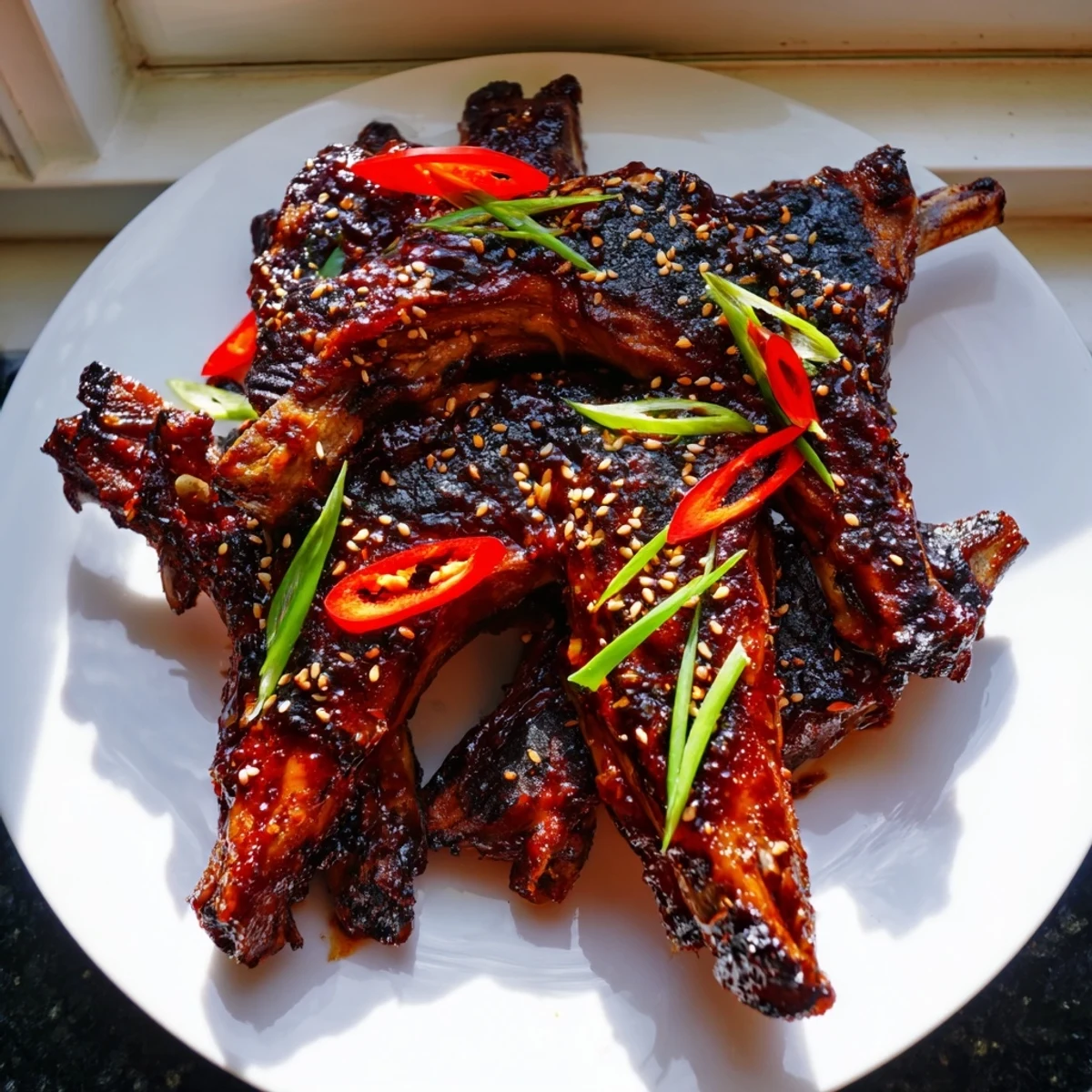
 There is something deeply satisfying about pulling a rack of ribs from the oven and watching the glaze bubble and caramelize in real time. The moment the yuzu hits that hot sticky surface the kitchen smells like a Seoul street food stall on a crisp autumn evening.
What to Serve Alongside
Steamed white rice is the obvious choice but pickled daikon and kimchi turn this into a proper Korean table spread. I once served them over a bed of sesame dressed cucumbers and the cold crunch against the hot ribs was an accident I now repeat on purpose.
Handling Yuzu Substitutions
If you cannot find yuzu juice a blend of equal parts lemon and lime gets you close to its unique floral tartness. Avoid using straight lemon because it lacks the aromatic complexity that makes yuzu worth the hunt in the first place.
Storage and Reheating
Leftover ribs keep well in the fridge for up to three days and reheat beautifully in a hot oven for eight minutes to restore the caramelized edges. The microwave works in a rush but you will lose that essential crust.
- Always store ribs separately from any remaining garnish to keep the scallions from wilting.
- Freeze glazed ribs without the yuzu finish and add fresh citrus after reheating for the best result.
- Remember that the marinade can be made in batches and frozen for up to one month for a quicker prep next time.
 Save to Pinterest
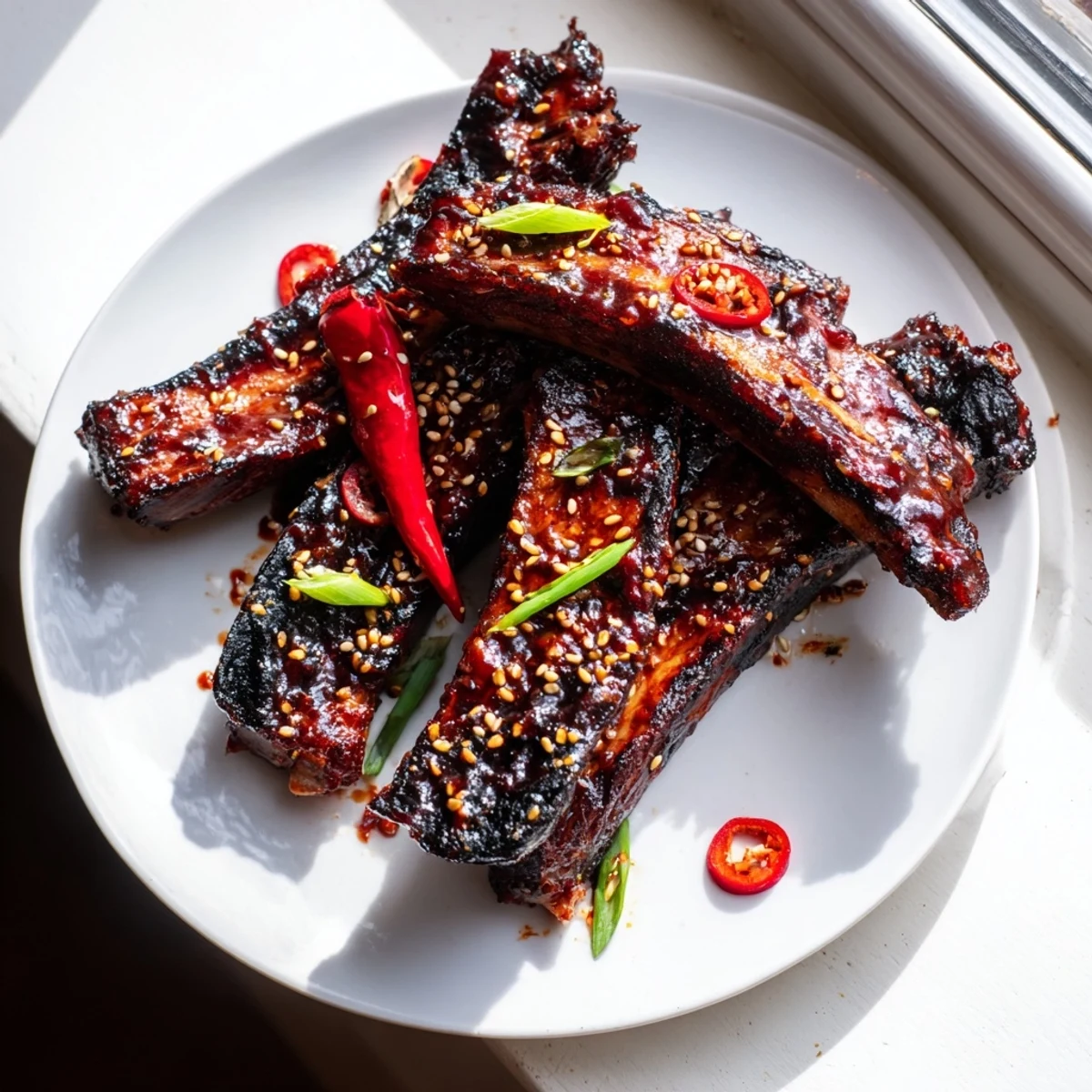
 These ribs have a way of turning a regular weeknight into something worth remembering and I hope they do the same for your table.
Recipe FAQs
- → Can I use a different cut of lamb instead of ribs?
-
Yes, lamb shoulder chops or lamb loin chops work well with the same marinade. Adjust cooking times accordingly—chops will cook faster than ribs. For boneless cuts, reduce the roasting time by about 20 minutes.
- → Where can I find yuzu juice?
-
Yuzu juice is available at most Asian grocery stores, Japanese markets, and online retailers. Bottled yuzu juice works perfectly. If unavailable, a blend of equal parts lemon and lime juice makes a reasonable substitute, though the floral aroma of yuzu is unique.
- → How long should I marinate the lamb ribs?
-
For the best results, marinate the ribs overnight or at least 4 hours. The extended marinating time allows the gochujang, soy sauce, and aromatics to deeply penetrate the meat. Longer marination yields more tender and flavorful ribs.
- → Can I finish these ribs on an outdoor grill instead of the oven?
-
Absolutely. After the initial low-temperature roasting to tenderize the meat, transfer the ribs to a hot grill for 2–3 minutes per side. This adds authentic smoky char that complements the Korean BBQ flavors beautifully. Brush with glaze during grilling.
- → Is gochujang very spicy?
-
Gochujang has a moderate, building heat with natural sweetness. The level of spiciness varies by brand—most are mild to medium. Mixed into the marinade with brown sugar and honey, the heat is well-balanced. Adjust the amount up or down based on your spice preference.
- → Can I make this dish gluten-free?
-
Yes, use gluten-free soy sauce or tamari, and verify that your gochujang brand is certified gluten-free, as some contain wheat. All other ingredients in this dish are naturally gluten-free when these substitutions are made.