
 Save to Pinterest
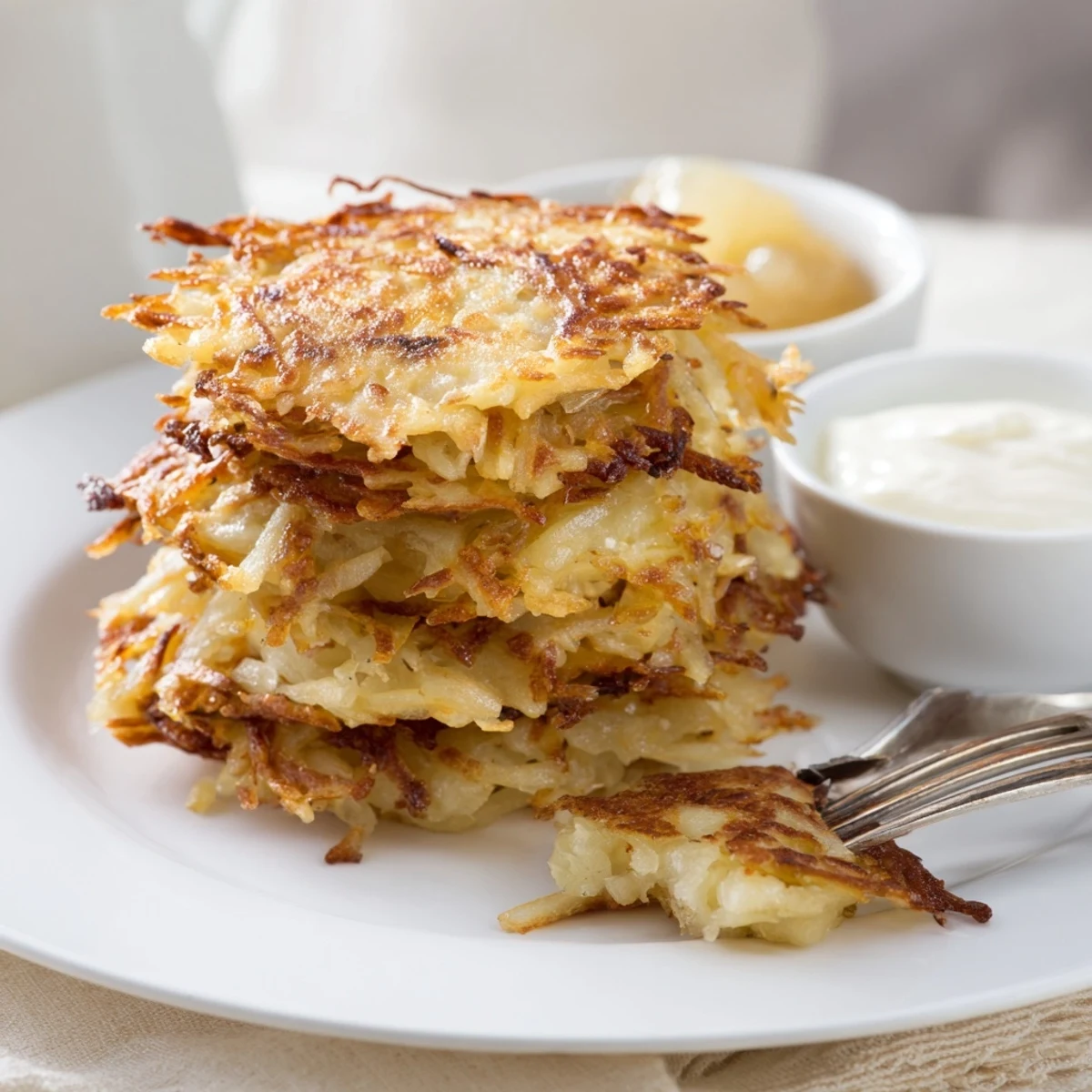
 These traditional German potato pancakes deliver the perfect crunch outside with a tender, fluffy inside. Made with grated starchy potatoes, onion, eggs, and seasoning, they achieve that beloved crispy texture that makes them a classic comfort food across Germany.
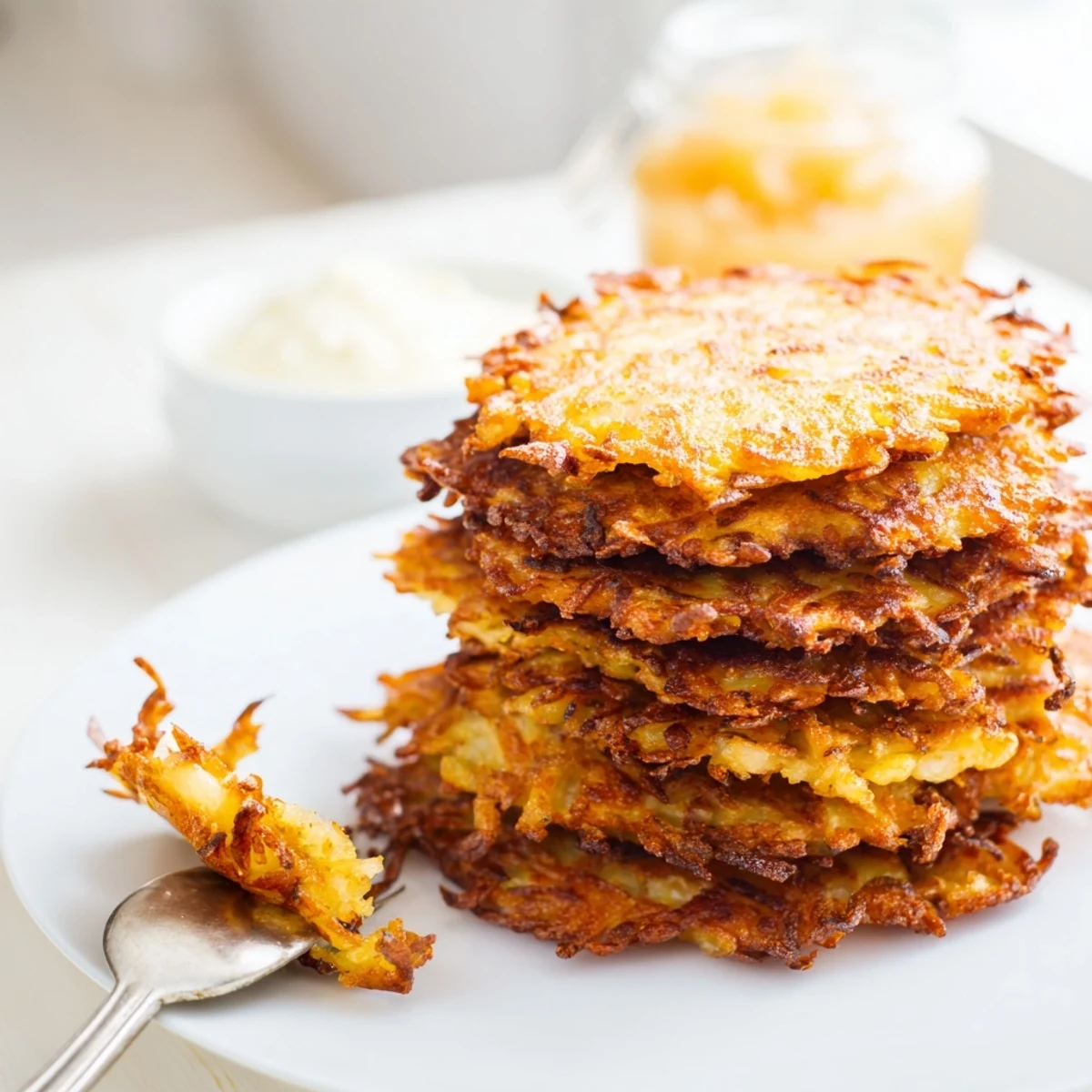
The key is squeezing out excess moisture from the grated potatoes before frying in hot oil. This ensures each pancake develops a beautiful golden crust while staying soft inside. They come together quickly and are ideal for brunch, as a hearty snack, or alongside roast meats for dinner.
Traditional toppings include cool applesauce or tangy sour cream, though some prefer herbed variations. Starchy potatoes like Russet work best for maximum crispiness.
My grandmother would wake up before dawn on Sundays, the sound of her box grater against potatoes echoing through the house like some secret rhythm. She never measured anything, just knew by the weight of the mixture in her hands whether it needed another egg or more flour. The smell that filled the kitchen—onions hitting hot oil, potatoes turning golden—meant family gathering and lazy mornings around the table.
Last winter, during that relentless snowstorm that kept us inside for three days, I made a double batch for my neighbors. We crowded around my tiny stove, taking turns at the spatula, eating them hot from the pan with whatever condiments we could scrounge from our refrigerators. Something about standing over a skillet, watching potatoes transform into golden discs, makes people start telling stories they have not shared in years.
Ingredients
- Starchy potatoes: Russet or Maris Piper varieties contain the right starch content to create that sought-after crispy exterior while keeping the inside tender and fluffy
- Small onion: Grating the onion directly into the potatoes distributes its sweetness throughout without any harsh bites
- Large eggs: Room temperature eggs bind the mixture better and help the pancakes hold their shape in the hot oil
- All-purpose flour: Just enough to absorb excess moisture from the potatoes without making the texture heavy or doughy
- Salt: Essential for drawing out potato moisture and seasoning the interior thoroughly
- Ground black pepper: Freshly cracked pepper adds subtle heat that cuts through the richness
- Freshly grated nutmeg: The secret ingredient my grandmother swore by, adding warmth that most people cannot quite identify
- Neutral oil: Sunflower or canola oil has a high smoke point and lets the potato flavor shine without competing
Instructions
- Grate and prepare:
- Using the coarse side of a box grater or the grating blade of a food processor, grate both the peeled potatoes and the small onion until you have a coarse, textured mixture
- Remove excess moisture:
- Transfer the grated mixture to a clean kitchen towel and squeeze it tightly over the sink, twisting and wringing until you have removed as much liquid as possible—this step is crucial for achieving crispiness
- Mix the batter:
- Place the squeezed potato mixture in a large bowl, then add the eggs, flour, salt, pepper, and nutmeg if using, mixing thoroughly until everything is well combined
- Heat the oil:
- Pour the neutral oil into a large nonstick skillet and heat over medium-high heat until it shimmers but is not smoking
- Form the pancakes:
- Drop heaping tablespoons of the potato mixture into the hot oil, using the back of the spoon or a spatula to gently flatten each mound into pancakes about 1 cm thick
- Fry to golden:
- Cook for 3 to 4 minutes on the first side until deeply golden brown, then carefully flip and fry for another 3 to 4 minutes until both sides are crispy and the interior is cooked through
- Drain and serve:
- Transfer the finished pancakes to paper towels to drain excess oil, then keep them warm in a low oven while you repeat with the remaining batter
 Save to Pinterest
 These have become my go-to when friends drop by unexpectedly, something I can throw together without much planning but that still feels like a treat. There is something universally comforting about hot, crispy potatoes that makes people feel at home, no matter where they come from or what language they speak.
Getting the Texture Right
The starch content in your potatoes makes all the difference, which is why waxy varieties simply will not give you those crisp edges you are after. I have learned to squeeze the potato mixture twice—once right after grating and again after letting it sit for five minutes, as more liquid continues to release. The batter should look almost dry when it hits the pan, not watery or loose.
Serving Suggestions
While applesauce and sour cream are the classic accompaniments, I have discovered that crème fraîche adds a lovely tang that cuts through the richness. During tomato season, a simple salsa on top works surprisingly well, and in autumn, a dollop of spiced apple butter feels almost decadent. These also make an excellent base for a savory meal when topped with smoked salmon and a sprinkle of dill.
Make-Ahead Wisdom
These potato pancakes are best eaten immediately from the pan, but I have developed a method for making them ahead for brunch gatherings. Grate and squeeze the potatoes the night before, storing them in a bowl of cold water in the refrigerator to prevent oxidation. In the morning, drain and squeeze them again before adding the remaining ingredients and cooking as directed.
- Mix fresh herbs like chives or parsley into the batter just before cooking for a burst of color and flavor
- Keep cooked pancakes warm in a 200°F oven on a wire rack so they stay crispy rather than getting soggy
- If you need to reheat leftovers, use a toaster oven or regular oven rather than the microwave to maintain crispiness
 Save to Pinterest
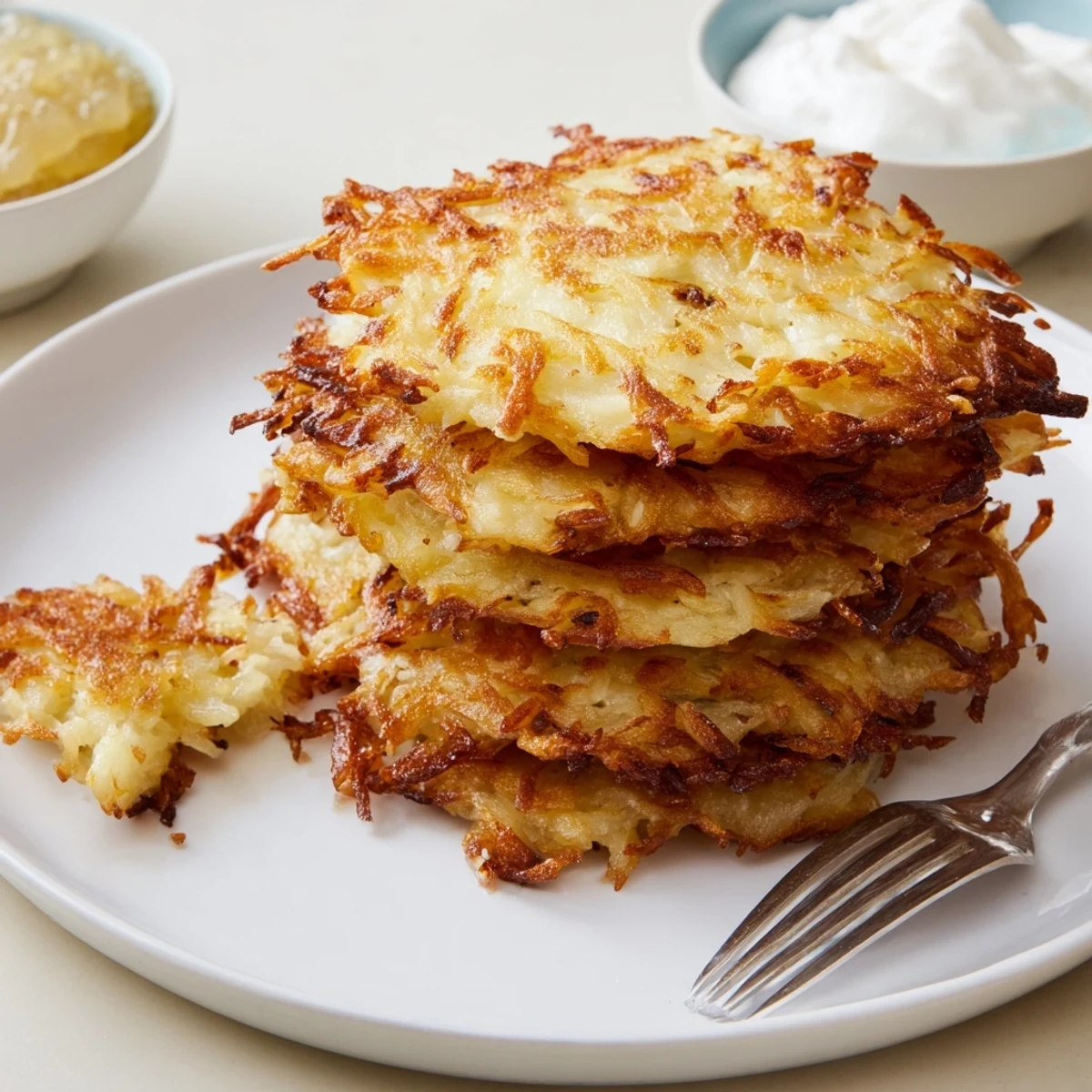
 Whether for a quiet Sunday morning or a crowded holiday table, these simple pancakes have a way of making any occasion feel like a celebration. Food does not get more honest than this—just potatoes, onions, eggs, and a little time at the stove.
Recipe FAQs
- → What type of potatoes work best?
-
Starchy potatoes like Russet or Maris Piper yield the crispiest results. Their high starch content and lower moisture create that perfect golden crunch while maintaining a fluffy interior.
- → Why squeeze out the liquid from potatoes?
-
Removing excess moisture prevents soggy pancakes and ensures they fry up crispy. The liquid contains starch that can make the texture gummy if not squeezed out thoroughly.
- → Can I make the batter ahead?
-
It's best to grate and squeeze the potatoes immediately before cooking. If prepared ahead, they may oxidize and turn brown, or release more liquid affecting the crispiness.
- → What's the traditional serving method?
-
In Germany, these are typically served hot with chilled applesauce or sour cream on the side. They work beautifully as a snack, light meal, or side dish with roasted meats.
- → How do I keep them warm while frying batches?
-
Place cooked pancakes on a baking sheet in a low oven around 93°C (200°F). This keeps them warm and crispy without overcooking while you finish the remaining batter.
- → Can I add other ingredients?
-
Fresh chives or parsley add a nice herbal note. Some variations include grated carrot or a bit of garlic. Keep additions minimal so they don't interfere with the classic texture.