
 Save to Pinterest
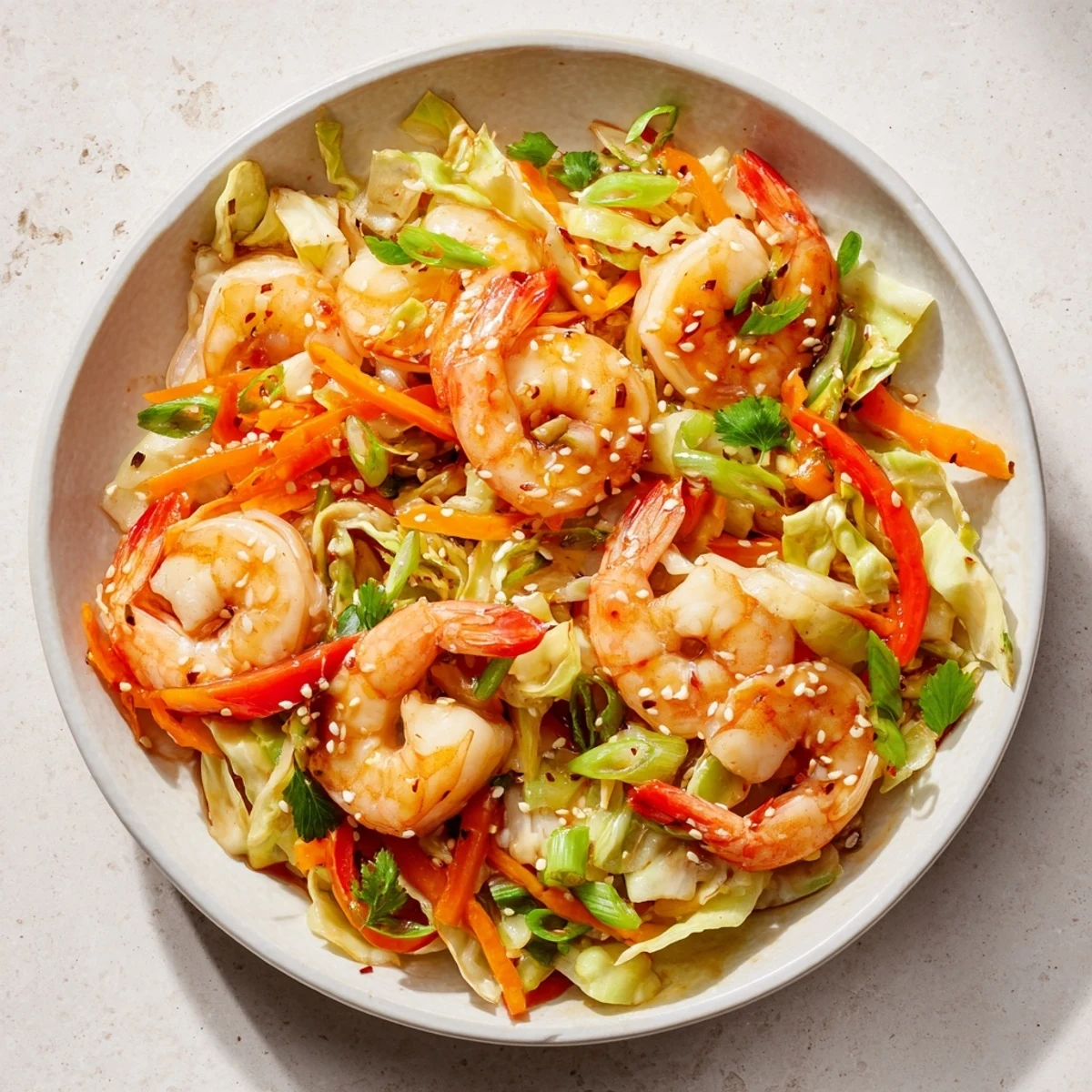
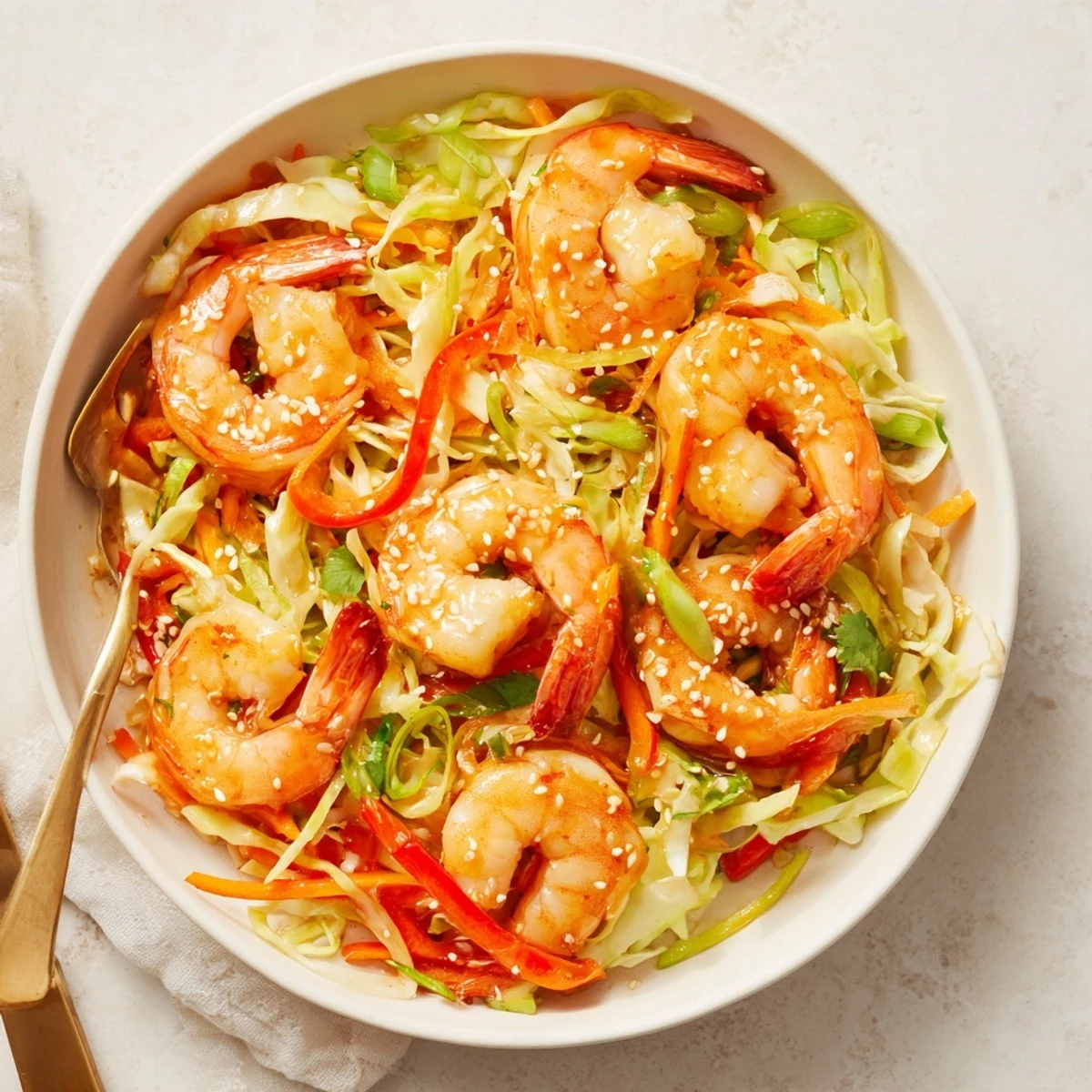
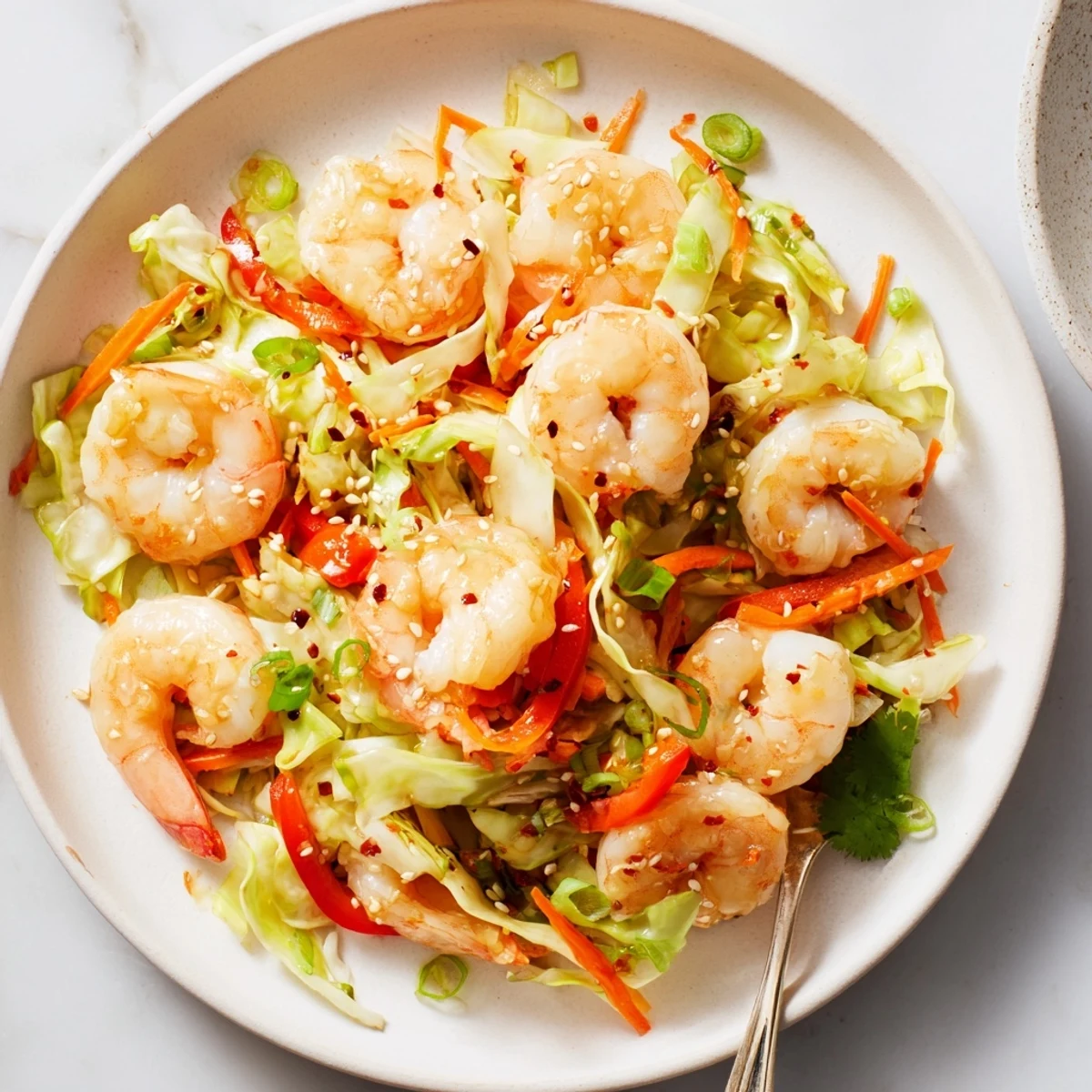
 This quick stir fry pairs succulent shrimp with thinly sliced cabbage, bell pepper and julienned carrot in a savory soy–oyster glaze. Shrimp are seared briefly, then removed while garlic and ginger bloom in the pan; vegetables are cooked high and fast until crisp-tender, shrimp are returned and everything is tossed with rice vinegar, sesame oil and a touch of honey. Ready in about 25 minutes and great with steamed rice or cauliflower rice.
The sizzle of shrimp hitting a screaming hot wok is one of those sounds that instantly transports me back to my tiny apartment kitchen where the smoke alarm and I had an ongoing negotiation every stir fry night. There is something deeply satisfying about the way cabbage transforms from pale and crunchy to glossy and golden when it meets high heat and a good sauce. This dish came together one Tuesday when the fridge held nothing but half a head of cabbage and a bag of frozen shrimp that I had almost forgotten about. Twenty five minutes later I was eating standing at the counter wondering why I ever bothered ordering takeout.
My neighbor Dave once knocked on my door to borrow a plunger and ended up staying for a plate of this stir fry because the smell drifting through the hallway was apparently impossible to ignore. He now texts me every few weeks asking for the recipe and I keep pretending I have not sent it yet so he keeps coming over to eat it instead.
Ingredients
- 1 lb large shrimp, peeled and deveined: Buy the biggest shrimp you can find because they stay juicy and tender inside even with a quick sear over high heat.
- 4 cups green cabbage, thinly sliced: Slice it thin and uniform so every piece cooks evenly and picks up that gorgeous caramelized edge in the wok.
- 1 medium carrot, julienned: Cut them into thin matchsticks so they cook through at the same rate as the cabbage and bell pepper.
- 1 red bell pepper, thinly sliced: The sweetness balances the savory sauce and the color makes the whole dish look restaurant worthy.
- 3 green onions, sliced: Save these for the very end because their sharp freshness cuts through the richness of the sauce beautifully.
- 2 cloves garlic, minced: Fresh garlic only because the jarred stuff tastes flat and this dish deserves better.
- 1 inch fresh ginger, grated: Use a microplane to get it almost pasty so it melts right into the sauce instead of leaving chunks.
- 3 tbsp soy sauce or tamari: Tamari keeps this gluten free and honestly I prefer the richer deeper flavor it brings anyway.
- 1 tbsp oyster sauce: This is the secret weapon that adds body and umami to everything it touches.
- 1 tbsp rice vinegar: Just enough acidity to brighten the whole dish and keep the sauce from feeling heavy.
- 2 tsp sesame oil: A little goes a long way and it adds that unmistakable toasty aroma that makes the kitchen smell incredible.
- 1 tsp honey or brown sugar: Balance is everything and a touch of sweetness rounds out the salty and sour elements perfectly.
- ¼ tsp crushed red pepper flakes: Optional but I always add them because a gentle warmth in the background makes each bite more interesting.
- 2 tbsp vegetable oil: Use a neutral oil with a high smoke point because you need real heat to get that proper stir fry texture.
- Toasted sesame seeds and fresh cilantro for garnish: Totally optional but they add crunch and freshness that make the dish feel finished.
Instructions
- Whisk the sauce together:
- In a small bowl combine the soy sauce, oyster sauce, rice vinegar, sesame oil, honey, and red pepper flakes. Give it a good whisk until the honey dissolves and set it near the stove because things move fast once you start cooking.
- Sear the shrimp:
- Heat one tablespoon of oil in your wok or large skillet over medium high heat until it shimmers. Toss in the shrimp in a single layer and let them cook undisturbed for about a minute before stirring so they develop a nice golden edge, then cook another minute or two until pink and just barely cooked through. Remove them immediately to a plate so they do not overcook.
- Bloom the aromatics:
- Add the remaining tablespoon of oil to the wok and dump in the garlic and ginger. Stir constantly for about thirty seconds until your kitchen smells absolutely incredible and you can feel the fragrance hit your face.
- Stir fry the vegetables:
- Add the cabbage, carrot, and bell pepper all at once and toss them aggressively in the wok for three to four minutes. You want them tender but still retaining some bite and snap because nobody likes mushy cabbage.
- Bring it all together:
- Slide the shrimp back into the wok and pour the sauce over everything. Toss and stir for another minute or two until every strand of cabbage is glossy and coated and the shrimp are heated back through.
- Finish and serve:
- Kill the heat and scatter the green onions, sesame seeds, and cilantro over the top. Serve it straight from the wok while everything is still piping hot and the cabbage has that perfect slight crunch.
 Save to Pinterest
 The night I made this for my sister she called it the best thing I had ever cooked and then proceeded to eat three helpings while telling me about her week. Food does not need to be complicated to become the center of a really good evening.
Making It Your Own
One of the best things about a stir fry is how forgiving it is when you want to swap ingredients based on what is languishing in your crisper drawer. Snap peas, broccoli florets, and sliced mushrooms all work beautifully here and each one brings a different texture that keeps the dish exciting even after you have made it a dozen times.
Serving Suggestions
I usually eat this straight from a bowl with nothing else because the shrimp and vegetables are filling enough on their own for a low carb dinner. When I want something more substantial a scoop of steamed jasmine rice underneath soaks up every drop of that savory sauce and turns it into a proper feast.
Storing and Reheating
Leftovers keep well in an airtight container in the fridge for up to three days though the cabbage does soften a bit overnight which honestly is not a bad thing. Reheat in a hot skillet for just a minute or two to bring back some of that original texture rather than using the microwave which makes everything soggy.
- Let the stir fry cool completely before refrigerating to prevent condensation from making the vegetables watery.
- Avoid freezing because the shrimp texture suffers and the cabbage releases too much liquid when thawed.
- Always taste the sauce before adding salt because the soy sauce and oyster sauce are already quite salty on their own.
 Save to Pinterest
 Keep a wok or large skillet within reach and this recipe will become one of those meals you can pull off on autopilot any night of the week. The best dishes are the ones that let you spend more time eating and less time cleaning up.
Recipe FAQs
- → How long should I cook the shrimp?
-
Sear shrimp 2–3 minutes per side until opaque and just pink. Remove them early to prevent toughness, then finish with the vegetables so they stay tender.
- → How do I keep cabbage crisp-tender?
-
Slice cabbage thinly and cook on high heat, stirring frequently for 3–4 minutes until it softens slightly but retains a crunch.
- → What can I use for a gluten-free soy swap?
-
Replace regular soy sauce with tamari or a labeled gluten-free soy sauce, and check that the oyster sauce is gluten-free or use a GF alternative.
- → Can I add other vegetables?
-
Yes. Snap peas, broccoli florets or mushrooms work well—add denser vegetables earlier and delicate ones last so all finish at the same time.
- → How should leftovers be stored and reheated?
-
Cool quickly and refrigerate in an airtight container for up to 3 days. Reheat briefly in a hot skillet with a splash of water or oil to refresh texture.
- → How can I make it spicier?
-
Increase crushed red pepper in the sauce, add sliced fresh chilies while stir frying, or finish with sriracha to taste.